Context
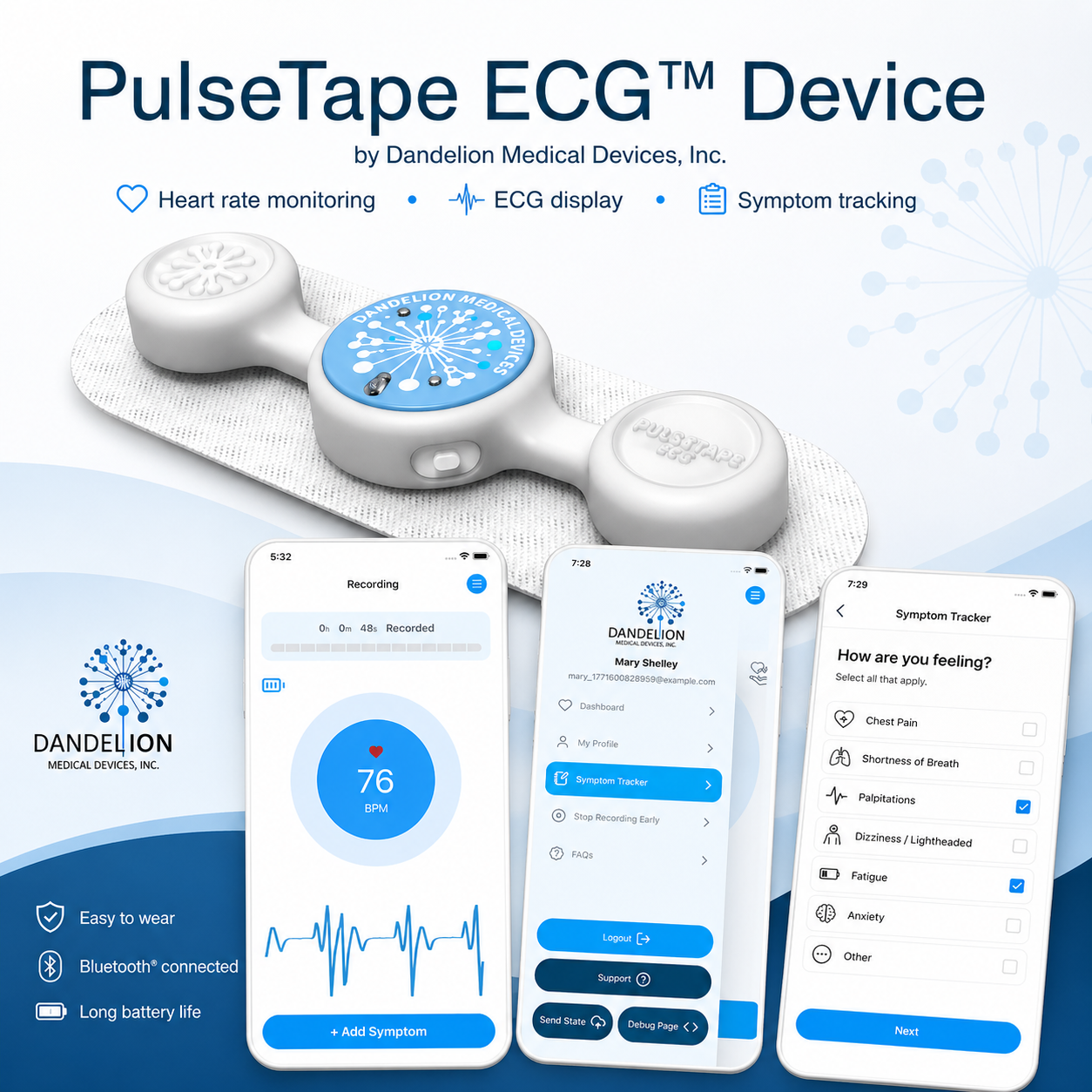
PulseTape is a medical ECG monitoring platform for patients using a BLE-connected hardware patch and clinics managing cardiac recording workflows. The system combines a React Native mobile app, a Django backend, local-first data capture, and third-party ECG analysis integrations. Its core problem is collecting reliable sensor data from constrained hardware, keeping the patient workflow clear, and syncing clinically useful data back to the server.
My Role
I worked on a focused recording-duration feature in an existing medical device software stack. I reviewed the mobile, backend, API, admin, and test architecture before implementing the change.
My contributions included:
- added clinic/admin-controlled recording duration behavior with a conservative default
- connected duration data through the existing backend schema and generated mobile API types
- implemented automatic recording completion in the mobile background sync flow
- updated local Drizzle state and server-side study state through the existing end-study API
- added patient notification behavior when recording completes
- expanded backend and React Native test coverage for the new workflow
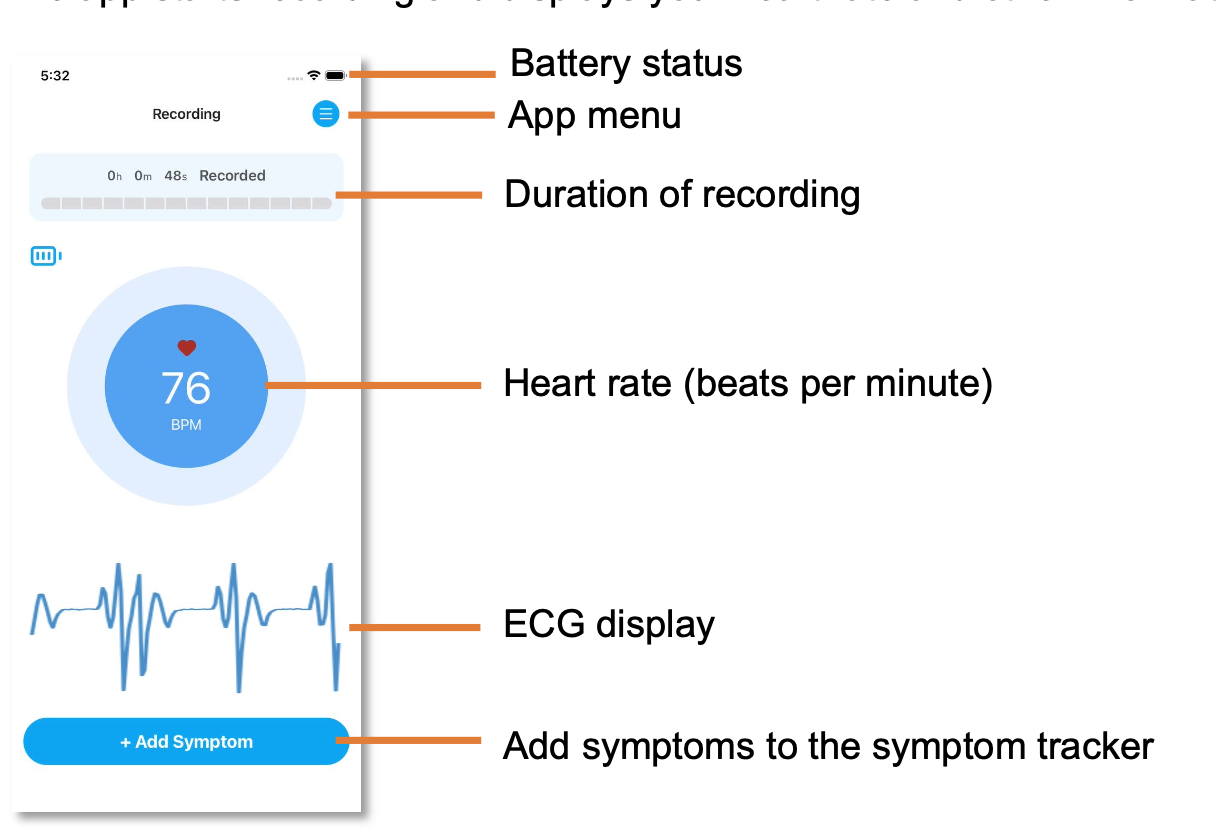
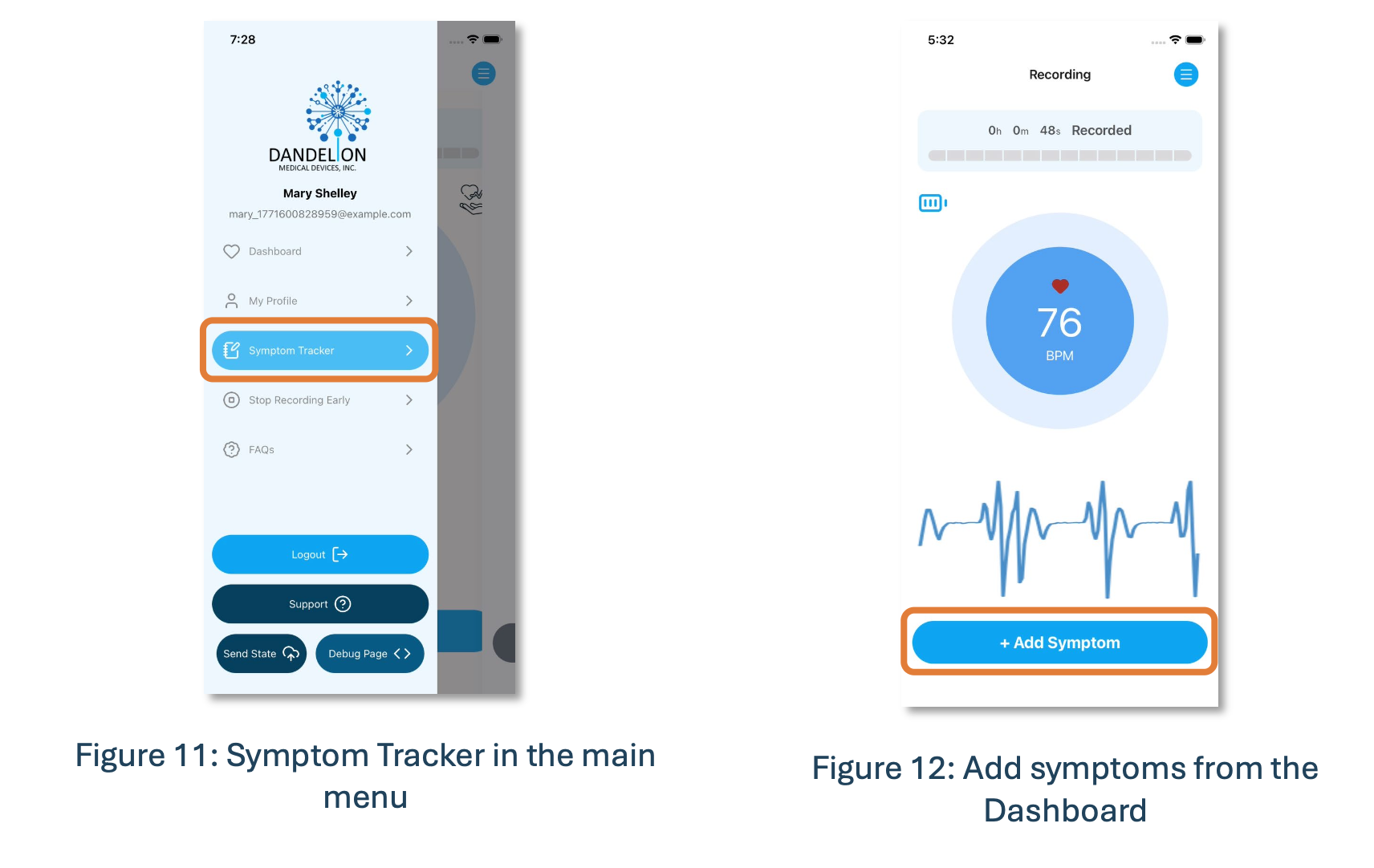
Feature Screens
Technical Challenges
- coordinating patient-facing mobile behavior with server-side study lifecycle state
- handling BLE-connected device workflows where app foreground/background timing is not fully deterministic
- preserving the existing local-first SQLite sync model while updating remote Django records
- using type-safe API generation without adding redundant schema or endpoint changes
- keeping medical-workflow copy and behavior conservative where documentation ownership was outside the code change
Stack
- React Native and Expo
- TypeScript
- Expo Router and React Navigation
- Drizzle ORM with SQLite for local mobile persistence
- Django and Django Ninja
- PostgreSQL
- openapi-fetch and generated API types
- BLE integration with react-native-ble-plx
- Jest, pytest, Ruff, mypy, and GitHub Actions
Outcomes
- Delivered automatic session completion for configured recording durations
- Preserved the existing manual end-recording and upload flows
- Added backend tests covering duration defaults and
/mobile/meAPI exposure - Added mobile tests covering expired, already-ended, and not-yet-expired recording states
- Documented validation limits around iOS background scheduling and external IFU updates
What This Proves
This project shows I can enter a complex regulated-domain codebase, trace behavior across mobile, backend, data sync, and tests, then ship a scoped change without widening risk. I can balance patient UX, API contracts, persistence, and validation discipline in systems where correctness matters more than novelty.